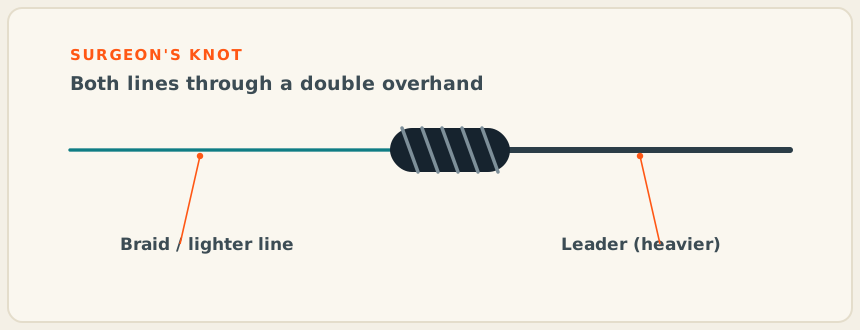
The surgeon’s knot (surgeon’s join) is the quickest line-to-line connection there is. It is essentially a double or triple overhand knot tied with the two lines together, and it takes seconds, which is why fly anglers and light-tackle fishermen reach for it when they need to add tippet or a leader and keep fishing.
When and why to use it
Use the surgeon’s when you want speed and simplicity, adding a tippet section, joining leader to tippet, or a quick leader change, especially with lines of similar diameter. It is strong enough for most trout and light inshore situations. When you are joining lines of very different diameters, or you want a thin, guide-friendly knot for casting, step up to the double uni or FG.
How it works
Lay the two lines alongside each other overlapping, form a loop, and pass both lines through it together twice (a double surgeon’s) or three times (triple) for extra security. Wet it and pull all four ends to seat it evenly, then trim.
Tip Pull all four tag and standing ends when you cinch it, not just two. Seating a surgeon’s knot evenly from every direction keeps the wraps from bunching and gives you the full strength of this simple knot.