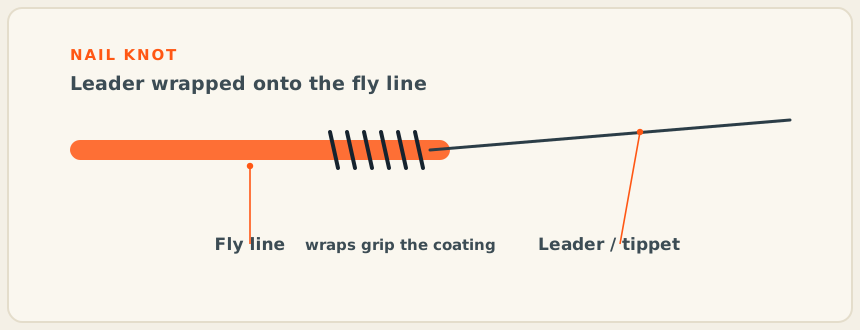
The nail knot is how you attach a leader butt, or the backing, to a fly line. It wraps the leader material tightly around the fly line so it grips the coating, producing a slim, smooth connection that runs through the guides cleanly, which matters when you are shooting line or fighting a fish into the backing.
When and why to use it
Use the nail knot to build the connections on a fly setup: leader butt to fly line, and backing to fly line. It is a core knot for the saltwater 9-weight and freshwater 5-weight outfits. Many anglers use a pre-made nail-knotted leader loop or a loop-to-loop connection for quick leader changes, but the nail knot is the foundation underneath it.
How it works
Traditionally tied over a nail (now usually a small tube or a dedicated tool), you lay the leader alongside the fly line, wrap the leader back over both the line and the tube several times, then feed the tag back through the tube, remove it, and pull the wraps tight so they bite into the fly line coating. Trim both tags close for a clean finish.
Tip Use a nail-knot tool or a small tube, it makes feeding the tag back through the wraps far easier than a bare nail. And consider nail-knotting a small loop of heavy mono to the fly line so you can loop-to-loop leaders on and off without re-tying.