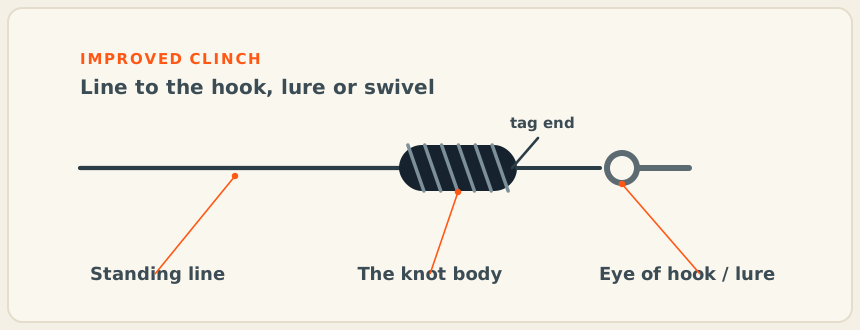
The improved clinch is the workhorse terminal knot, the one that connects your line to the business end. It is fast, easy to learn, and reliable in the line diameters most anglers fish day to day, which is why it has been the default terminal knot for generations.
When and why to use it
Reach for the improved clinch to tie monofilament or fluorocarbon directly to a hook, lure, jig or swivel in everyday line sizes. It is the go-to for freshwater, light inshore work and leader-to-lure connections. Two caveats worth knowing: it loses strength in heavy or very stiff fluorocarbon (the San Diego jam or a loop knot does better there), and it is not the best choice for braid, which is slippery, use the Palomar for braid instead.
How it works
You pass the tag through the eye, take five or so wraps up the standing line, then pass the tag back through the first loop by the eye and through the big loop you just formed (that back-through is the “improved” part). Lubricate and cinch it down slowly and evenly so the wraps seat cleanly.
Tip Wet the knot before you cinch it, and snug it slowly. A dry knot cinched fast generates heat and friction that weakens the line, a quick lick or dip and a steady pull is the difference between a knot that holds and one that pops.