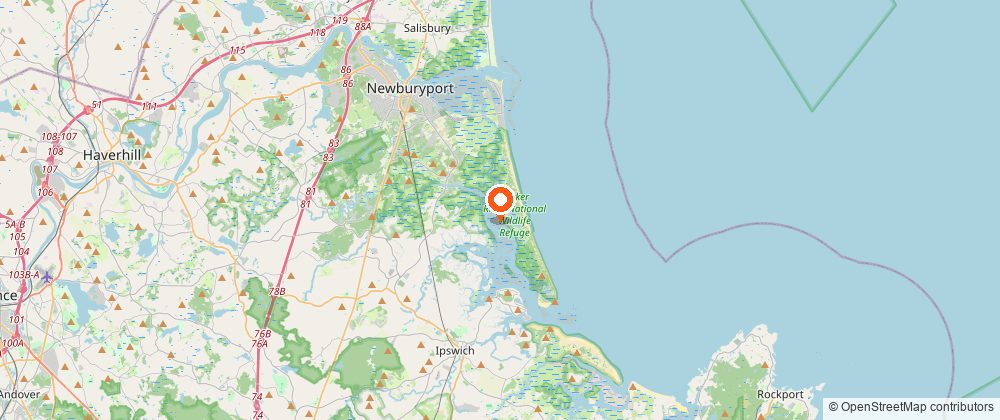
Plum Island is a barrier island fronting the open Atlantic, anchored at its north end by the mouth of the Merrimack River and running south past the Parker River National Wildlife Refuge to Sandy Point. That mix of big moving water, open beach and structure makes it one of the most productive and beloved surfcasting stretches in the Northeast.
The spots
- The Merrimack mouth (north end): a major river outflow that funnels bait and stripers, especially on the moving tide. Herring and other bait pour out here in spring.
- The refuge beach: miles of open sand with cuts, bars and sloughs. Walk and read the beach to find the fishy structure.
- The south end and the rips: the Sandy Point area and the rips off the south end concentrate bait and fish where current runs.
How to fish it
Fish the moving water and low-light windows. Plugs, pencil poppers and soft plastics cover the beach; clams and sea worms on the bottom are a Plum Island tradition, especially early in the season. Night is prime.
Tip Learn to read the beach at low tide. Note the cuts, bowls and bars, then fish those exact spots on the incoming when the bait and bass move in over them. Structure you scouted dry becomes the strike zone on the tide.